The AI Model Wars Just Hit a Breaking Point — Here's What's Really Happening
Google is spending $85 billion to catch up, OpenAI just split its flagship model into three, and governments are now deciding who gets access to the most powerful AI models. Here's what's really going on in the AI industry this week — explained simply.
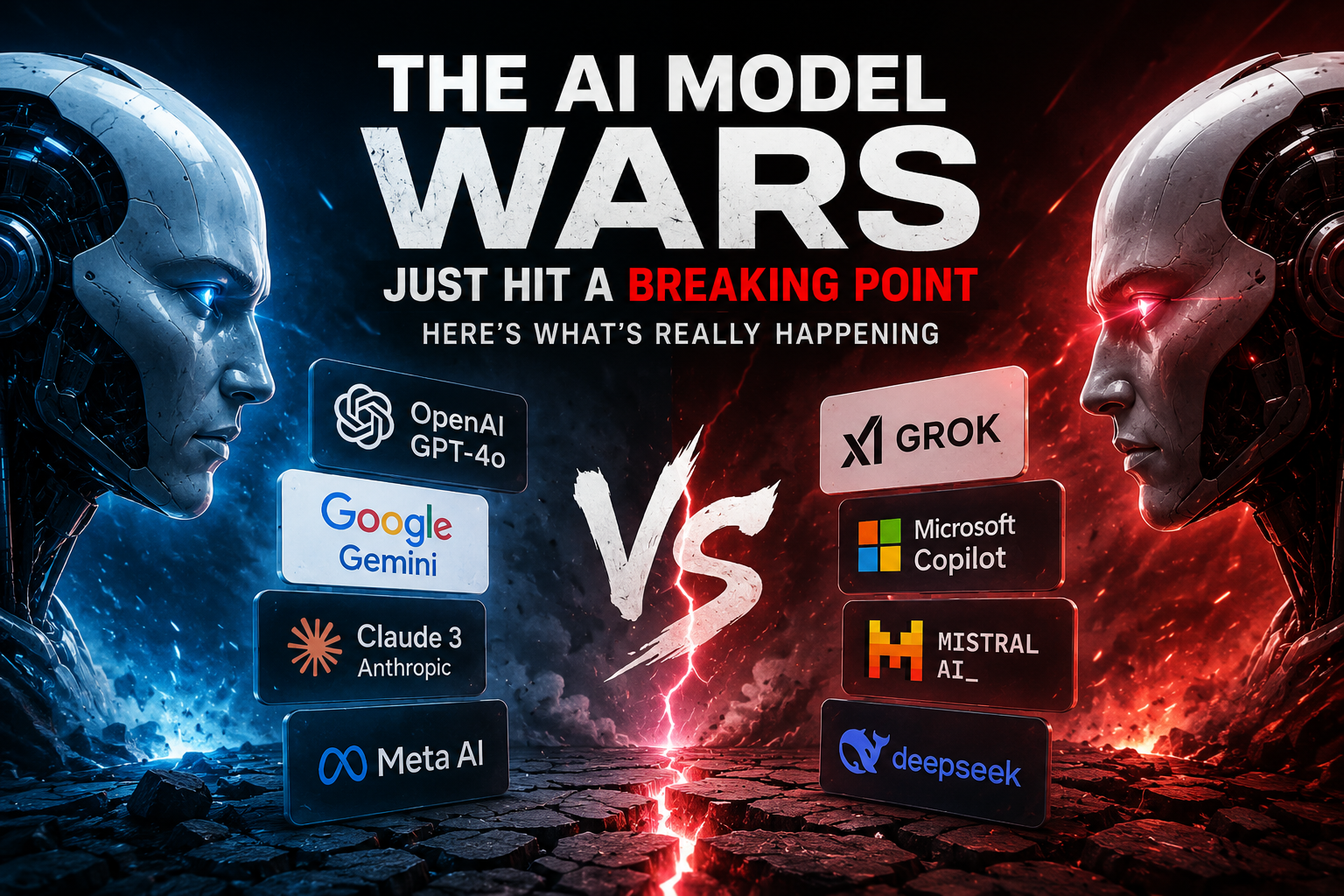
If you've felt like AI news has been moving faster than usual lately, you're not imagining it. The last week of June 2026 has turned into one of the most dramatic stretches in the industry's short history, with billions of dollars committed, major companies losing key talent, and government regulators stepping directly into the middle of the fight. Here's a plain-English breakdown of what's going on — and why it matters even if you don't write a single line of code.
Google Is Spending Big, But Falling Behind on Delivery
Google's parent company, Alphabet, just raised close to $85 billion specifically to fund AI infrastructure — one of the largest fundraising efforts ever undertaken by a tech company. That's the kind of number that signals genuine panic about being left behind in the AI race.
At the same time, Google has had to reorganize its AI coding team after losing several senior researchers to competitors in just a few months, and its next major model, Gemini 3.5 Pro, has missed its public release deadline by an entire month. Big spending and visible cracks in execution, happening side by side — a pattern worth watching.
OpenAI Just Split Its Flagship Model Into Three
In a major strategy shift, OpenAI recently previewed not one but three new model tiers: a flagship for difficult problems, a balanced everyday option, and a fast, affordable version for high-volume use. Instead of one model trying to do everything, OpenAI is now betting that different users need fundamentally different tools — a sign that the "one model to rule them all" era may be ending.
Governments Are Now Picking Winners and Losers
Perhaps the most unusual development: a U.S. government export control directive temporarily restricted access to Anthropic's most advanced model, before being partially lifted for organizations protecting critical infrastructure. This is a meaningful shift — AI regulation is no longer just about future risk; it's actively shaping who gets access to the most powerful models, right now, in real time.
The Money Is Moving Fast Too
It's not just the model makers. The AI coding tools market alone is now estimated to be worth over $9 billion this year and growing at roughly 26% a year. Pricing models are shifting too — flat-rate AI subscriptions are giving way to usage-based billing, which is already causing friction among developers who built their workflows around predictable costs.
Why This Matters Beyond the Tech World
You don't need to be a developer to feel the ripple effects of this. Faster, cheaper, more specialized AI tools are reshaping content creation, customer service, e-commerce, and small business operations across the board. The companies winning this race today are setting the tools that everyone else will be using tomorrow — which makes this a story worth following even for casual readers and entrepreneurs, not just engineers.
The bottom line: the AI industry isn't just building smarter tools anymore — it's fighting over who controls access to them, who can afford them, and who decides the rules. That fight is happening right now, and it's only getting more intense.
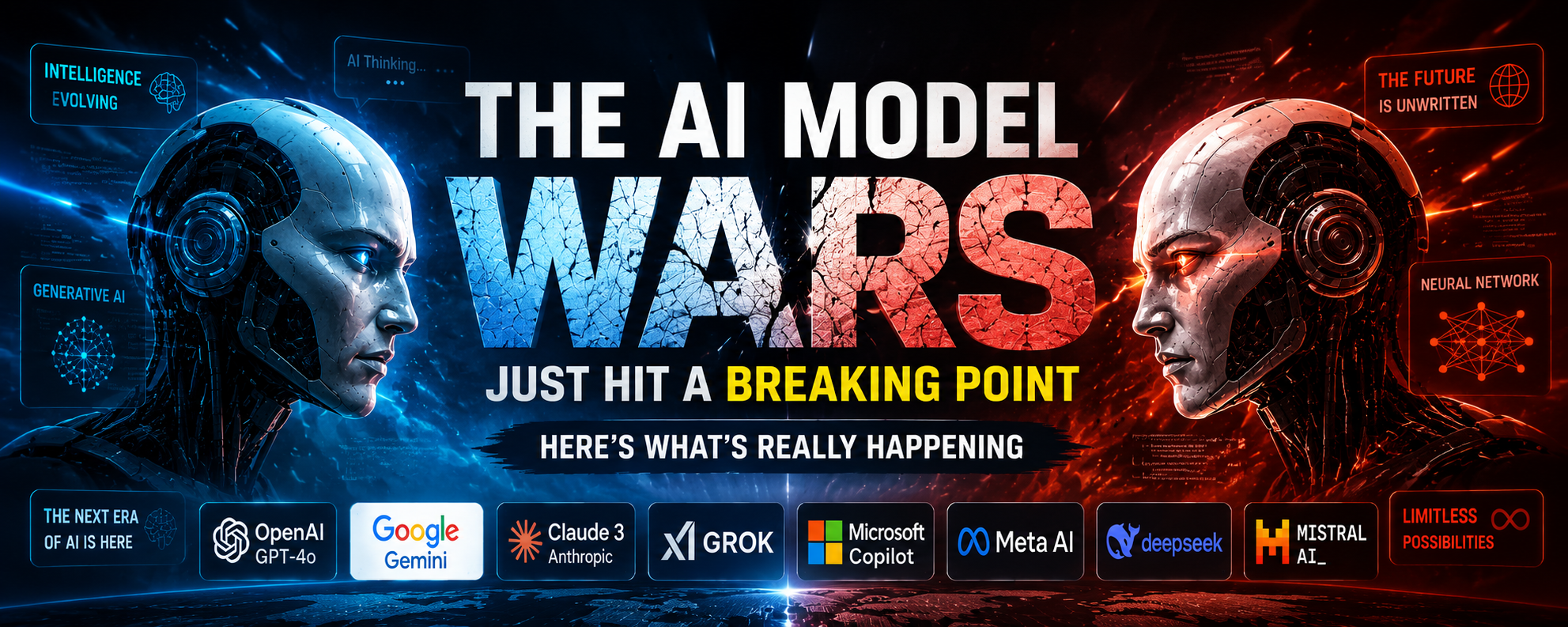
What do you think — is this AI race moving too fast, or exactly fast enough?

Comments
0Be the first to leave a comment.